BR100 Increased By (0.18%)
BR30 Increased By (0.54%)
KSE100 Increased By (0.14%)
KSE30 Increased By (0.19%)
AGHA 6.89 Increased By ▲ 0.03 (0.44%)
BECO 4.40 No Change ▼ 0.00 (0%)
BML 56.99 Increased By ▲ 2.32 (4.24%)
BOP 30.77 Decreased By ▼ -0.20 (-0.65%)
CNERGY 13.20 Decreased By ▼ -0.01 (-0.08%)
CSIL 5.64 Decreased By ▼ -0.08 (-1.4%)
FCCL 54.06 Increased By ▲ 1.10 (2.08%)
FFL 14.67 Decreased By ▼ -0.05 (-0.34%)
FNEL 1.20 Decreased By ▼ -0.06 (-4.76%)
KEL 6.72 Decreased By ▼ -0.02 (-0.3%)
KOSM 5.17 Decreased By ▼ -0.01 (-0.19%)
LOTCHEM 25.61 Increased By ▲ 0.53 (2.11%)
MLCF 96.19 Increased By ▲ 1.41 (1.49%)
NBP 171.08 Increased By ▲ 0.97 (0.57%)
NCPL 57.50 Decreased By ▼ -1.31 (-2.23%)
NPL 63.28 Decreased By ▼ -1.04 (-1.62%)
OGDC 318.41 Increased By ▲ 0.92 (0.29%)
PACE 10.22 Decreased By ▼ -0.08 (-0.78%)
PAEL 36.83 Increased By ▲ 0.28 (0.77%)
PIBTL 16.03 Increased By ▲ 0.07 (0.44%)
PPL 230.51 Increased By ▲ 2.12 (0.93%)
PRL 87.33 Increased By ▲ 0.41 (0.47%)
PTC 63.25 Increased By ▲ 0.36 (0.57%)
SSGC 23.63 Decreased By ▼ -0.18 (-0.76%)
TBL 9.14 Increased By ▲ 0.04 (0.44%)
TELE 7.79 Increased By ▲ 0.11 (1.43%)
TPL 22.04 Decreased By ▼ -0.36 (-1.61%)
TPLP 12.51 Decreased By ▼ -0.16 (-1.26%)
TREET 22.55 Increased By ▲ 0.11 (0.49%)
TRG 51.34 Increased By ▲ 0.34 (0.67%)
BR100 Increased By (0.18%)
BR30 Increased By (0.54%)
KSE100 Increased By (0.14%)
KSE30 Increased By (0.19%)
AGHA 6.89 Increased By ▲ 0.03 (0.44%)
BECO 4.40 No Change ▼ 0.00 (0%)
BML 56.99 Increased By ▲ 2.32 (4.24%)
BOP 30.77 Decreased By ▼ -0.20 (-0.65%)
CNERGY 13.20 Decreased By ▼ -0.01 (-0.08%)
CSIL 5.64 Decreased By ▼ -0.08 (-1.4%)
FCCL 54.06 Increased By ▲ 1.10 (2.08%)
FFL 14.67 Decreased By ▼ -0.05 (-0.34%)
FNEL 1.20 Decreased By ▼ -0.06 (-4.76%)
KEL 6.72 Decreased By ▼ -0.02 (-0.3%)
KOSM 5.17 Decreased By ▼ -0.01 (-0.19%)
LOTCHEM 25.61 Increased By ▲ 0.53 (2.11%)
MLCF 96.19 Increased By ▲ 1.41 (1.49%)
NBP 171.08 Increased By ▲ 0.97 (0.57%)
NCPL 57.50 Decreased By ▼ -1.31 (-2.23%)
NPL 63.28 Decreased By ▼ -1.04 (-1.62%)
OGDC 318.41 Increased By ▲ 0.92 (0.29%)
PACE 10.22 Decreased By ▼ -0.08 (-0.78%)
PAEL 36.83 Increased By ▲ 0.28 (0.77%)
PIBTL 16.03 Increased By ▲ 0.07 (0.44%)
PPL 230.51 Increased By ▲ 2.12 (0.93%)
PRL 87.33 Increased By ▲ 0.41 (0.47%)
PTC 63.25 Increased By ▲ 0.36 (0.57%)
SSGC 23.63 Decreased By ▼ -0.18 (-0.76%)
TBL 9.14 Increased By ▲ 0.04 (0.44%)
TELE 7.79 Increased By ▲ 0.11 (1.43%)
TPL 22.04 Decreased By ▼ -0.36 (-1.61%)
TPLP 12.51 Decreased By ▼ -0.16 (-1.26%)
TREET 22.55 Increased By ▲ 0.11 (0.49%)
TRG 51.34 Increased By ▲ 0.34 (0.67%)
Wednesday, October 7, 2026
Home DAIRY/ORGANIC PRODUCTS Pakistan’s US Soybean Imports Top 1M Metric Tons as Agricultural Trade Expands

Pakistan’s US Soybean Imports Top 1M Metric Tons as Agricultural Trade Expands

0
62

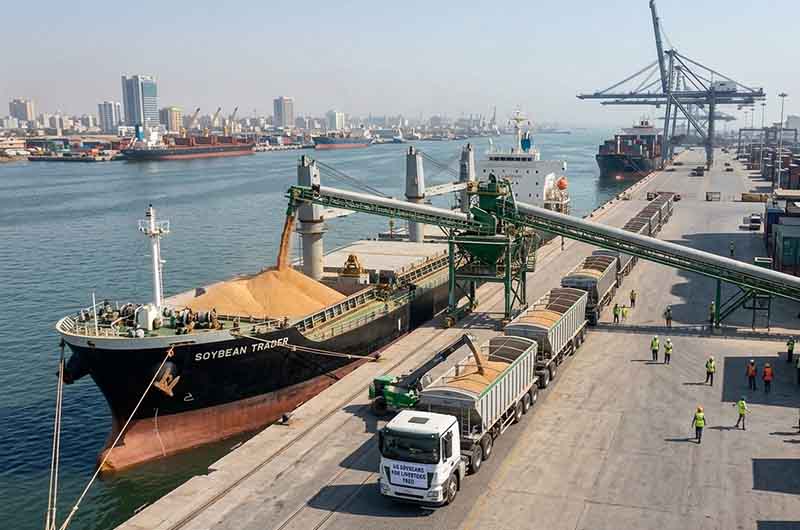
Annual imports of US soybeans into Pakistan have passed the one million metric ton mark, cementing the country’s position as a top global destination for the commodity. The milestone comes as Islamabad and Washington actively move to broaden bilateral economic and agricultural ties.

Soybeans serve as a vital protein source for Pakistan’s domestic poultry and livestock feed industries. Beyond simple trade, both nations are exploring deeper cooperation across the entire value chain, focusing on business-to-business links, technical collaboration, and shared expertise.

The growing partnership was highlighted during a meeting between Pakistan’s Ambassador to the US, Rizwan Saeed Sheikh, and US Soybean Export Council (USSEC) Chief Executive Officer Jim Sutter at the US Soy Connext Conference in Chicago.

“The Ambassador noted that Pakistan has emerged, within a relatively short period, as one of the leading global destinations for US soybeans, with annual imports exceeding one million metric tons,” the Pakistani embassy stated following the meeting. Sheikh added that the surge in volume reflects both rising local demand and strong potential for commercial partnerships.

Sutter reaffirmed the USSEC’s commitment to supporting Pakistani stakeholders through technical assistance, capacity-building, industry training, and nutrition programs tailored for the feed, poultry, dairy, and food-processing sectors.

The recovery in trade follows previous supply chain disruptions. Imports faced significant setbacks starting in 2022 when Pakistani authorities restricted genetically modified (GM) soybean seeds, impacting the local poultry sector. Shipments have since resumed after the government permitted GM soybean imports from authorized suppliers.

Both parties agreed to maintain close contact to identify further opportunities within the soybean industry as part of the broader US-Pakistan commercial relationship.
LEAVE A REPLY

Please enter your comment!
Please enter your name here