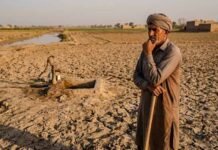
Pakistan is facing escalating food insecurity over the coming months, driven by a projected below-average monsoon season, reduced Kharif crop yields, and stubbornly high staple food prices, according to the latest agricultural and food security assessments.
Humanitarian agencies warn that Crisis (IPC Phase 3) conditions will persist in Balochistan through at least January 2027 and expand across broader areas of Sindh, Khyber Pakhtunkhwa (KP), and Gilgit-Baltistan (GB) starting in October.
Key Drivers of the Deepening Crisis
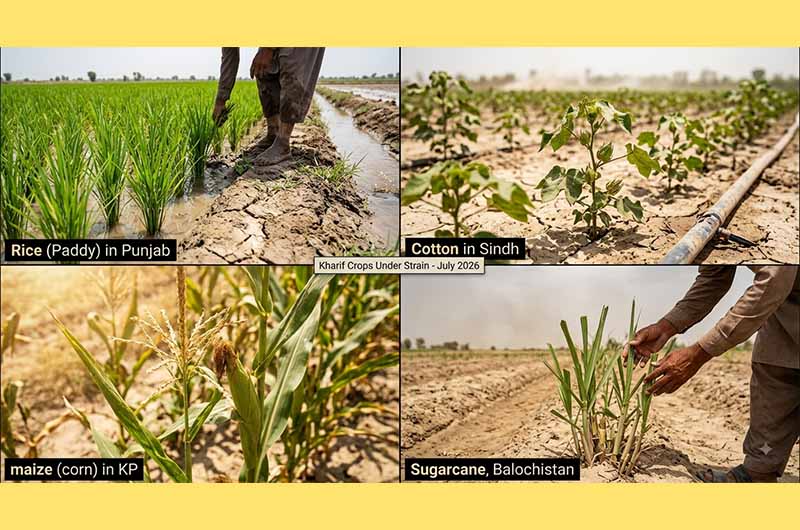
- Weak Monsoon & Depleted Water Resources: Below-average rainfall from June to September across southern Punjab, Sindh, and Balochistan, coupled with severe irrigation shortages, has sharply reduced planting areas for rice and maize. While Punjab’s rice production remains stable, heavy output drops in deficit-producing provinces like Sindh and Balochistan are set to drag down the national harvest.
- Extreme Heat & Climate Pressures: Persistently above-average temperatures through early 2027 are driving up crop water demand and forcing farmers to rely on expensive groundwater pumping. Concurrently, localized flash floods in northern regions during July caused 155 fatalities and notable livestock losses.
- Soaring Wheat Prices: In major markets like Lahore, wheat flour prices are hovering 57% higher than last year and 45% above the five-year average, pushed up by high fuel and transport costs, market speculation, and strong private stockholding.
Emergency Interventions & Household Strain
To counter escalating price shocks, the federal government released domestic wheat reserves held by the Pakistan Agricultural Storage and Services Corporation (PASSCO) and initiated imports of one million tons of wheat. Market analysts caution, however, that these measures will provide only temporary relief because total national consumption continues to outpace domestic production from the 2026 Rabi cycle.
As household granaries empty and market reliance grows, vulnerable families—particularly in Balochistan, KP, and Sindh—are increasingly resorting to severe coping mechanisms, including skipping meals, buying food on credit, selling productive livestock, and curtailing spending on healthcare and education.