Facing a fresh spike in global energy prices driven by escalating Middle East conflict, the federal government has reinstated a comprehensive slate of austerity and fuel-conservation rules across Pakistan.
The new measures enforce strict commercial closing hours, slash official fuel quotas, and place a heavy damper on state expenditure.
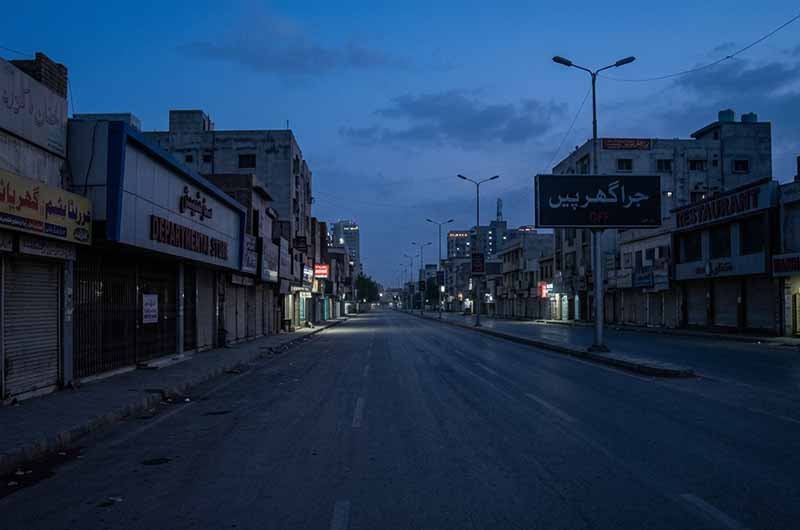
Fresh Business Hours Enforced
To curb electricity and fuel consumption, commercial centers face immediate early shutdown mandates:
- 9:00 PM: Markets, shopping malls, bazaars, general/grocery stores, and kiryana shops.
- 10:00 PM: Marriage halls, marquees, and festive event venues (limited strictly to a single-dish menu).
- 11:00 PM: Restaurants, cafés, eateries, standalone fruit/vegetable shops. (Takeaway and delivery services remain unaffected).
- Exempted: Pharmacies, hospitals, clinics, labs, standalone bakeries, tandoors, dairy shops, petrol pumps, EV charging stations, padel/sports courts, IT firms, and call centers.
Heavy State-Level Cost Cuts
The Cabinet Division notified severe restrictions on government departments for the next three months:
- 50% Fuel Cut: Official vehicle fuel allocations are halved. Non-operational vehicles of armed forces and administrative bodies are included, though development projects and active law enforcement remain exempt.
- Spending Reduction: Non-employee expenditure is trimmed by 5% monthly, including at foreign missions.
- Procurement & Travel Bans: Complete ban on purchasing new vehicles and non-IT durable goods. A three-month ban on foreign trips has been instituted; mandatory travel will require economy-class seating or representation by local ambassadors.
- No Official Dinners or Paid Venues: Official dinners are banned except for visiting foreign delegations. Meetings must be held via teleconference, and required seminars must use free government facilities.
Global Energy Context
This aggressive austerity drive follows the disruption of Middle East oil supply routes and rising global petroleum prices. While previous measures introduced in March were temporarily relaxed in June following a brief drop in international crude, renewed market volatility forced the prime minister to revive conservation policies.
To cushion the public against rising costs, the government simultaneously rolled out a targeted fuel-relief subsidy scheme for motorcycles, rickshaws, and vehicles up to 800cc. Provincial and regional governments have been urged to align local policies with these federal directives.