
BR100 Increased By (0.18%)
BR30 Increased By (0.54%)
KSE100 Increased By (0.14%)
KSE30 Increased By (0.19%)
AGHA 6.89 Increased By ▲ 0.03 (0.44%)
BECO 4.40 No Change ▼ 0.00 (0%)
BML 56.99 Increased By ▲ 2.32 (4.24%)
BOP 30.77 Decreased By ▼ -0.20 (-0.65%)
CNERGY 13.20 Decreased By ▼ -0.01 (-0.08%)
CSIL 5.64 Decreased By ▼ -0.08 (-1.4%)
FCCL 54.06 Increased By ▲ 1.10 (2.08%)
FFL 14.67 Decreased By ▼ -0.05 (-0.34%)
FNEL 1.20 Decreased By ▼ -0.06 (-4.76%)
KEL 6.72 Decreased By ▼ -0.02 (-0.3%)
KOSM 5.17 Decreased By ▼ -0.01 (-0.19%)
LOTCHEM 25.61 Increased By ▲ 0.53 (2.11%)
MLCF 96.19 Increased By ▲ 1.41 (1.49%)
NBP 171.08 Increased By ▲ 0.97 (0.57%)
NCPL 57.50 Decreased By ▼ -1.31 (-2.23%)
NPL 63.28 Decreased By ▼ -1.04 (-1.62%)
OGDC 318.41 Increased By ▲ 0.92 (0.29%)
PACE 10.22 Decreased By ▼ -0.08 (-0.78%)
PAEL 36.83 Increased By ▲ 0.28 (0.77%)
PIBTL 16.03 Increased By ▲ 0.07 (0.44%)
PPL 230.51 Increased By ▲ 2.12 (0.93%)
PRL 87.33 Increased By ▲ 0.41 (0.47%)
PTC 63.25 Increased By ▲ 0.36 (0.57%)
SSGC 23.63 Decreased By ▼ -0.18 (-0.76%)
TBL 9.14 Increased By ▲ 0.04 (0.44%)
TELE 7.79 Increased By ▲ 0.11 (1.43%)
TPL 22.04 Decreased By ▼ -0.36 (-1.61%)
TPLP 12.51 Decreased By ▼ -0.16 (-1.26%)
TREET 22.55 Increased By ▲ 0.11 (0.49%)
TRG 51.34 Increased By ▲ 0.34 (0.67%)
BR100 Increased By (0.18%)
BR30 Increased By (0.54%)
KSE100 Increased By (0.14%)
KSE30 Increased By (0.19%)
AGHA 6.89 Increased By ▲ 0.03 (0.44%)
BECO 4.40 No Change ▼ 0.00 (0%)
BML 56.99 Increased By ▲ 2.32 (4.24%)
BOP 30.77 Decreased By ▼ -0.20 (-0.65%)
CNERGY 13.20 Decreased By ▼ -0.01 (-0.08%)
CSIL 5.64 Decreased By ▼ -0.08 (-1.4%)
FCCL 54.06 Increased By ▲ 1.10 (2.08%)
FFL 14.67 Decreased By ▼ -0.05 (-0.34%)
FNEL 1.20 Decreased By ▼ -0.06 (-4.76%)
KEL 6.72 Decreased By ▼ -0.02 (-0.3%)
KOSM 5.17 Decreased By ▼ -0.01 (-0.19%)
LOTCHEM 25.61 Increased By ▲ 0.53 (2.11%)
MLCF 96.19 Increased By ▲ 1.41 (1.49%)
NBP 171.08 Increased By ▲ 0.97 (0.57%)
NCPL 57.50 Decreased By ▼ -1.31 (-2.23%)
NPL 63.28 Decreased By ▼ -1.04 (-1.62%)
OGDC 318.41 Increased By ▲ 0.92 (0.29%)
PACE 10.22 Decreased By ▼ -0.08 (-0.78%)
PAEL 36.83 Increased By ▲ 0.28 (0.77%)
PIBTL 16.03 Increased By ▲ 0.07 (0.44%)
PPL 230.51 Increased By ▲ 2.12 (0.93%)
PRL 87.33 Increased By ▲ 0.41 (0.47%)
PTC 63.25 Increased By ▲ 0.36 (0.57%)
SSGC 23.63 Decreased By ▼ -0.18 (-0.76%)
TBL 9.14 Increased By ▲ 0.04 (0.44%)
TELE 7.79 Increased By ▲ 0.11 (1.43%)
TPL 22.04 Decreased By ▼ -0.36 (-1.61%)
TPLP 12.51 Decreased By ▼ -0.16 (-1.26%)
TREET 22.55 Increased By ▲ 0.11 (0.49%)
TRG 51.34 Increased By ▲ 0.34 (0.67%)
Wednesday, October 7, 2026
Home Agriculture Pakistan Braces for Severe 25% Rabi Water Shortage, Threatening Wheat Crop and...

Pakistan Braces for Severe 25% Rabi Water Shortage, Threatening Wheat Crop and Food Security

0
14

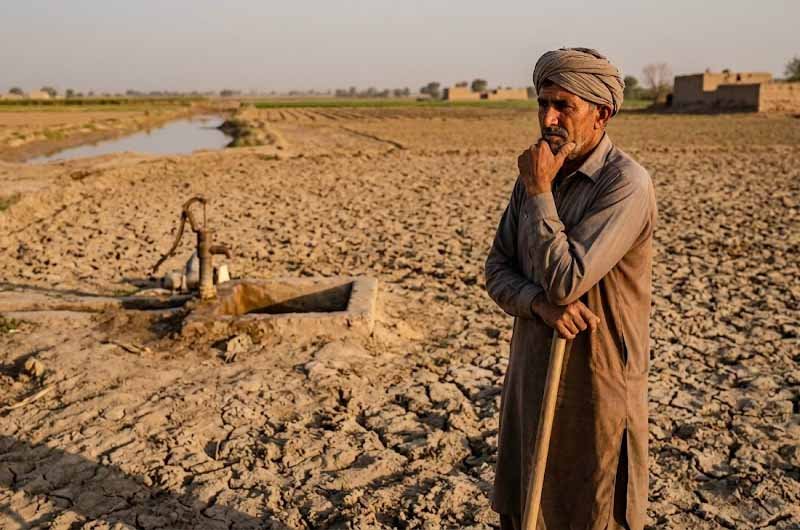
Pakistan is facing an anticipated water deficit of around 25 per cent for the upcoming Rabi cropping season starting October 1, triggering sharp concerns over national food security as the country prepares to sow its main staple crop, wheat.

The severe shortfall comes on the heels of a challenging agricultural year. Despite experiencing no water shortage during the last Rabi season, Pakistan suffered an estimated wheat deficit of over two million tonnes—forcing the government to order one million tonnes of imports to stabilize local supply.

Reduced Storage & Man-Made Discharges

The water outlook for Rabi 2026–27 is significantly constrained by lower carryover storage in major reservoirs, which fell below 9.5 million acre-feet (MAF) ahead of the season—the lowest level recorded since 2021 and almost 27 per cent lower than last year’s carryover of 13 MAF.

Insiders indicate that part of the current deficit is man-made. Sources revealed that over 1 MAF of avoidable water releases were made from reservoirs during the outgoing Kharif season following political and parliamentary interventions to increase discharges to Sindh, with planned subsequent adjustments failing to materialize before the season ended.

While Tarbela Dam reached its maximum conservation level during Kharif, Mangla Dam peaked at 1,222 feet—well below its maximum level of 1,242 feet—due to weak flows in the Jhelum River. Storage at Mangla currently stands at 5.12 MAF against its full capacity of 7.277 MAF.

Provincial Tensions Expected Over Allocation

The Indus River System Authority (IRSA) Technical Committee and the IRSA Advisory Committee (IAC) are meeting to finalize water availability estimates and approve provincial shares.

Against total Rabi requirements of 37 to 38 MAF under the 1991 Water Apportionment Accord, estimated availability from storage and river flows is expected to hover around 21 to 22 MAF.

The impending shortage is expected to reignite inter-provincial disputes between Punjab and Sindh regarding IRSA’s distribution methodology. While Sindh advocates for strict implementation of Para 2 of the 1991 Accord, IRSA continues to rely on a de facto three-tier formula introduced in 2002 to share deficits between Punjab and Sindh, exempting Balochistan and Khyber Pakhtunkhwa.


LEAVE A REPLY

Please enter your comment!
Please enter your name here