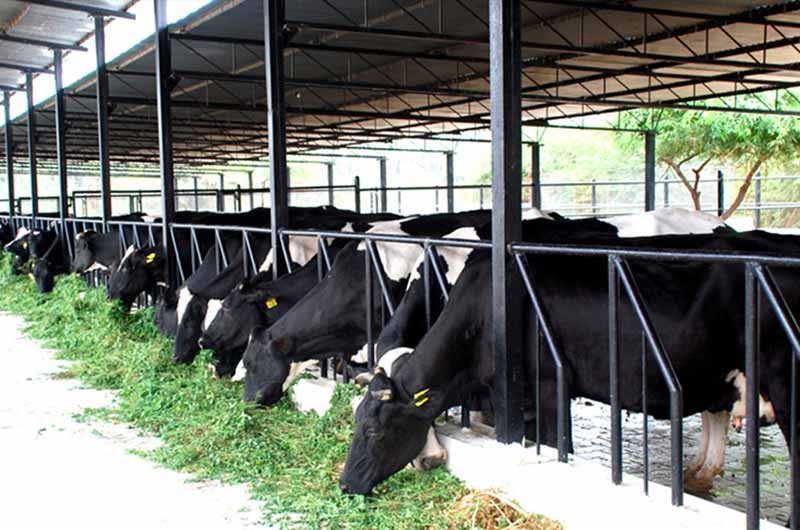
Pakistan’s dairy industry holds the key to a massive economic turnaround, with the potential to generate nearly Rs. 500 billion in annual government revenue if its vast informal market is integrated into the formal economy.
Speaking at the Pakistan Agricultural Coalition’s (PAC) Agri Connections Conference and Expo at the Lahore Expo Center, Pakistan Dairy Association Chairman Usman Zaheer Ahmed revealed that bringing even half of the unorganized dairy market under a nominal 5% tax regime would immediately yield Rs. 250 billion annually. Capturing the sector’s full formal potential could push national returns close to the Rs. 500 billion mark.
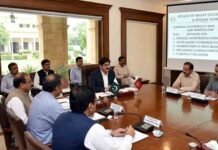
The event brought together top government officials, financial sector leaders, foreign delegates, and agriculture pioneers to address critical challenges in livestock, climate resilience, tech integration, and foreign direct investment.
Key Highlights & Expert Takeaways
1. Agriculture as a Pillar of National Security
Federal Minister for National Food Security Rana Tanveer Hussain emphasized that food security has evolved into a urgent matter of national security.
- Economic Footprint: Agriculture drives 26% of Pakistan’s GDP and sustains the livelihoods of over 100 million citizens.
- Climate Vulnerabilities: Escalating floods, prolonged heatwaves, and severe water scarcity pose severe operational threats. Per capita annual water availability has plummeted from over 5,600 cubic meters at independence to under 900 cubic meters today.
- Policy Call: While agriculture remains a provincial subject, national food security requires a unified policy framework, improved research, fair market access, and targeted financial support for farmers.
2. SBP Outlines Banking & Financing Bottlenecks
State Bank of Pakistan (SBP) Deputy Governor Salimullah pointed out three primary barriers preventing commercial banks from scaling up agricultural lending:
- High climate and operational risk coupled with inadequate crop and livestock insurance.
- Severe shortage of accredited warehouses, restricting banks’ collateral management capabilities.
- Restricted access to formal credit channels due to structural risk factors.
The central bank confirmed active work on building an ecosystem designed to make commercial agricultural lending both viable and risk-managed.
3. Gulf Interest & Global Tech Expansion
- Livestock Investments: Omar Sagga, Chairman of Jeddah-based meat trading firm Taraf, highlighted growing interest from Gulf investors in Pakistan’s meat processing capabilities, stressing that translating interest into hard capital requires a predictable, investor-friendly ecosystem.
- Smart Mechanization: Hello Tractor CEO Jehiel Oliver (Kenya) shared plans to expand farm machinery access across Pakistan. Supporting pay-as-you-go equipment sharing, Oliver advocated for shared mechanization models that relieve smallholder farmers from the heavy financial burden of direct machinery ownership.
Path Forward
Closing the conference, PAC CEO Kazim Saeed presented the official resolutions, emphasizing that structural reforms—ranging from formalized tax regimes to tech-driven farm solutions—are essential for transforming Pakistan’s agricultural sector into an economic powerhouse.