Global anxieties over food insecurity are mounting, and while headlines frequently focus on western nations like the UK and the US, the ripple effects of these crises directly impact Pakistan. In a country where the agricultural landscape is starkly divided between the smallholder farmers of Punjab and the large landowners of Sindh, understanding these global shifts is critical to safeguarding local food systems.
The UK: Environmental Priorities vs. Human Food Production
In the United Kingdom, agricultural policies are creating unintended vulnerabilities. Government initiatives have shifted financial focus toward environmental conservation—such as planting woodlands and hedgerows—inadvertently disincentivizing active food cultivation. Compounded by skyrocketing prices for diesel and synthetic fertilizers, many British farmers are choosing to leave their fields fallow.
Currently, the UK produces just 62% of its own food and relies on imports for 83% of its fruit, leaving its supply chain highly exposed to geopolitical conflicts. Furthermore, food prices are on track to climb 50% higher than 2021 levels, worsening the cost-of-living crisis. Proposed remedies include guaranteeing minimum payments to farmers to prioritize food production, shifting toward regenerative farming, and utilizing domestic ammonia plants to manufacture localized ammonium nitrate fertilizer.
The USA: An Aging Workforce and Changing Lifestyles
Across the Atlantic, the United States is battling a demographic shift in agriculture. Younger generations are increasingly abandoning farming as a career path. Driven by rising living costs and the economic appeal of urban jobs, young Americans increasingly view traditional agriculture as an outdated and financially unviable profession.
As the youth prioritize technology-driven, city-centric careers, the American agricultural workforce continues to age. This lack of generational transition threatens long-term sustainability, as fewer active farmers inevitably mean diminished domestic food production and a higher risk of systemic food insecurity.
The Lesson for Pakistan
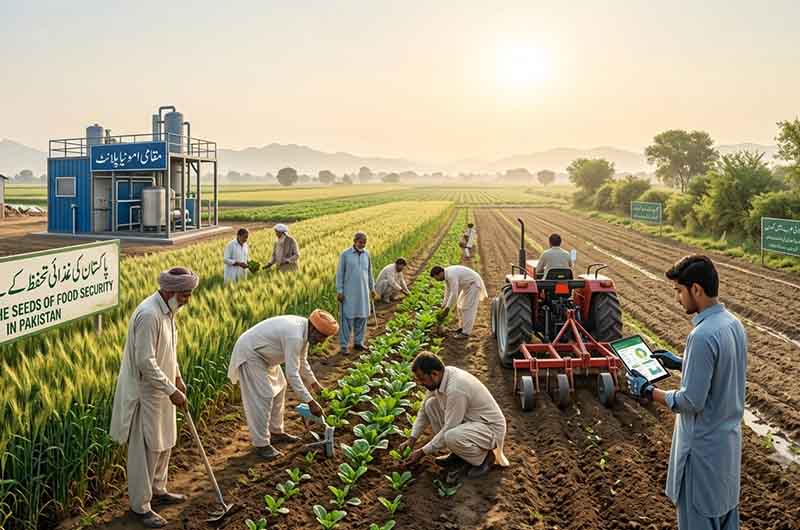
The structural vulnerabilities seen in the West serve as a stark warning for Pakistan. To insulate itself from global supply shocks and volatile fertilizer markets, Pakistan must find a balance that supports both its subsistence farmers in Punjab and its large-scale producers in Sindh. Achieving true food security will require investing in domestic input production (like localized fertilizer solutions), embracing sustainable regenerative techniques, and actively reimagining agriculture to make it both economically rewarding and technologically engaging for the next generation of Pakistani farmers.