Pakistan is on the brink of a severe and compounding wheat crisis, driven by climate change, dwindling yields, and widening supply deficits across its provinces. Khan Faraz, the former Secretary of the Pakistan Tobacco Board, warned on Friday that these systemic issues risk locking the country into a permanent reliance on expensive foreign imports.
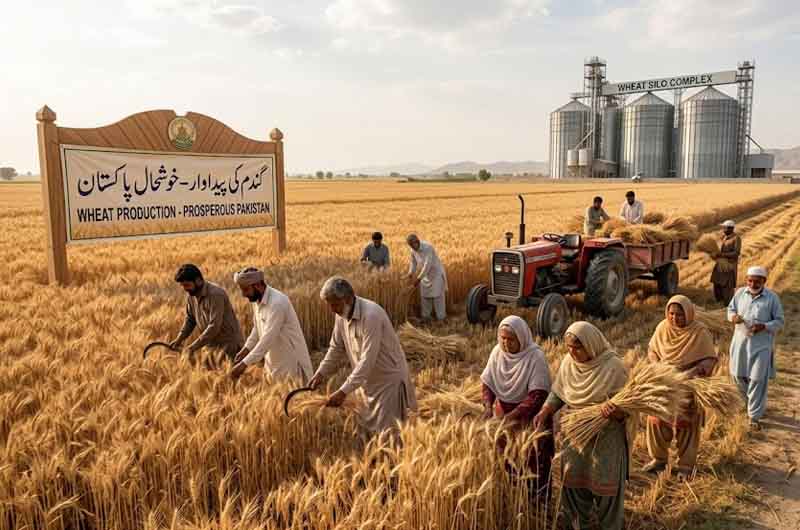
In a newly released policy note, Faraz highlighted wheat as the absolute “lifeblood” of Pakistan’s rural economy. The crop is not only critical to national food security and overall economic stability, but it also serves as the primary source of income and employment for millions of farmers and agricultural laborers nationwide.
Despite various government interventions over the years—ranging from national planting campaigns to financial subsidies and guaranteed support prices—emerging environmental and resource bottlenecks are steadily erasing these progress benchmarks.
Exploits and Deficits: A Closer Look at the Provinces
The strain on domestic wheat supplies is becoming increasingly visible at the provincial level:
- Khyber Pakhtunkhwa’s Deficit: The province faces a staggering annual shortfall. While its total wheat requirement sits at 5.436 million metric tons, its local harvest in 2026 managed to produce only 1.632 million metric tons. This leaves a massive deficit of 3.804 million metric tons.
- Punjab’s Growing Constraints: Historically, KP’s supply gaps were bridged by purchasing surplus grain from other provinces, primarily Punjab. However, Punjab is now facing its own supply crunch. As local reserves dwindle and floor prices surge, reports indicate that Punjab is considering importing wheat. The Director General Food Commissioner has already sought government clearance to allow private sector imports to stabilize the local market.
Faraz warned that when the country’s primary breadbasket province begins facing supply constraints, it signals a dangerous shift in the national food security outlook.
A Call for Immediate Climate Resilience and Policy Reform
The former bureaucrat noted that a combination of erratic weather patterns driven by climate change and rapid population growth is outbalancing domestic production capacity. As a result, Pakistan is steadily devolving from a net exporter of wheat into a net importer.
Ultimately, Faraz stressed that without swift, long-term policy reforms targeted at boosting wheat productivity and executing climate-smart agriculture, Pakistan will remain highly vulnerable to international price shocks. Strengthening domestic production is the only viable path to protecting foreign exchange reserves and safeguarding rural livelihoods