
BR100 Increased By (0.18%)
BR30 Increased By (0.54%)
KSE100 Increased By (0.14%)
KSE30 Increased By (0.19%)
AGHA 6.89 Increased By ▲ 0.03 (0.44%)
BECO 4.40 No Change ▼ 0.00 (0%)
BML 56.99 Increased By ▲ 2.32 (4.24%)
BOP 30.77 Decreased By ▼ -0.20 (-0.65%)
CNERGY 13.20 Decreased By ▼ -0.01 (-0.08%)
CSIL 5.64 Decreased By ▼ -0.08 (-1.4%)
FCCL 54.06 Increased By ▲ 1.10 (2.08%)
FFL 14.67 Decreased By ▼ -0.05 (-0.34%)
FNEL 1.20 Decreased By ▼ -0.06 (-4.76%)
KEL 6.72 Decreased By ▼ -0.02 (-0.3%)
KOSM 5.17 Decreased By ▼ -0.01 (-0.19%)
LOTCHEM 25.61 Increased By ▲ 0.53 (2.11%)
MLCF 96.19 Increased By ▲ 1.41 (1.49%)
NBP 171.08 Increased By ▲ 0.97 (0.57%)
NCPL 57.50 Decreased By ▼ -1.31 (-2.23%)
NPL 63.28 Decreased By ▼ -1.04 (-1.62%)
OGDC 318.41 Increased By ▲ 0.92 (0.29%)
PACE 10.22 Decreased By ▼ -0.08 (-0.78%)
PAEL 36.83 Increased By ▲ 0.28 (0.77%)
PIBTL 16.03 Increased By ▲ 0.07 (0.44%)
PPL 230.51 Increased By ▲ 2.12 (0.93%)
PRL 87.33 Increased By ▲ 0.41 (0.47%)
PTC 63.25 Increased By ▲ 0.36 (0.57%)
SSGC 23.63 Decreased By ▼ -0.18 (-0.76%)
TBL 9.14 Increased By ▲ 0.04 (0.44%)
TELE 7.79 Increased By ▲ 0.11 (1.43%)
TPL 22.04 Decreased By ▼ -0.36 (-1.61%)
TPLP 12.51 Decreased By ▼ -0.16 (-1.26%)
TREET 22.55 Increased By ▲ 0.11 (0.49%)
TRG 51.34 Increased By ▲ 0.34 (0.67%)
BR100 Increased By (0.18%)
BR30 Increased By (0.54%)
KSE100 Increased By (0.14%)
KSE30 Increased By (0.19%)
AGHA 6.89 Increased By ▲ 0.03 (0.44%)
BECO 4.40 No Change ▼ 0.00 (0%)
BML 56.99 Increased By ▲ 2.32 (4.24%)
BOP 30.77 Decreased By ▼ -0.20 (-0.65%)
CNERGY 13.20 Decreased By ▼ -0.01 (-0.08%)
CSIL 5.64 Decreased By ▼ -0.08 (-1.4%)
FCCL 54.06 Increased By ▲ 1.10 (2.08%)
FFL 14.67 Decreased By ▼ -0.05 (-0.34%)
FNEL 1.20 Decreased By ▼ -0.06 (-4.76%)
KEL 6.72 Decreased By ▼ -0.02 (-0.3%)
KOSM 5.17 Decreased By ▼ -0.01 (-0.19%)
LOTCHEM 25.61 Increased By ▲ 0.53 (2.11%)
MLCF 96.19 Increased By ▲ 1.41 (1.49%)
NBP 171.08 Increased By ▲ 0.97 (0.57%)
NCPL 57.50 Decreased By ▼ -1.31 (-2.23%)
NPL 63.28 Decreased By ▼ -1.04 (-1.62%)
OGDC 318.41 Increased By ▲ 0.92 (0.29%)
PACE 10.22 Decreased By ▼ -0.08 (-0.78%)
PAEL 36.83 Increased By ▲ 0.28 (0.77%)
PIBTL 16.03 Increased By ▲ 0.07 (0.44%)
PPL 230.51 Increased By ▲ 2.12 (0.93%)
PRL 87.33 Increased By ▲ 0.41 (0.47%)
PTC 63.25 Increased By ▲ 0.36 (0.57%)
SSGC 23.63 Decreased By ▼ -0.18 (-0.76%)
TBL 9.14 Increased By ▲ 0.04 (0.44%)
TELE 7.79 Increased By ▲ 0.11 (1.43%)
TPL 22.04 Decreased By ▼ -0.36 (-1.61%)
TPLP 12.51 Decreased By ▼ -0.16 (-1.26%)
TREET 22.55 Increased By ▲ 0.11 (0.49%)
TRG 51.34 Increased By ▲ 0.34 (0.67%)
Thursday, October 8, 2026
Home FOOD/INGREDIENTS Clean Tech for Red Gold: Novel Drying Initiative Boosts Kunri’s Chilli Quality...

Clean Tech for Red Gold: Novel Drying Initiative Boosts Kunri’s Chilli Quality for Global Markets

0
17

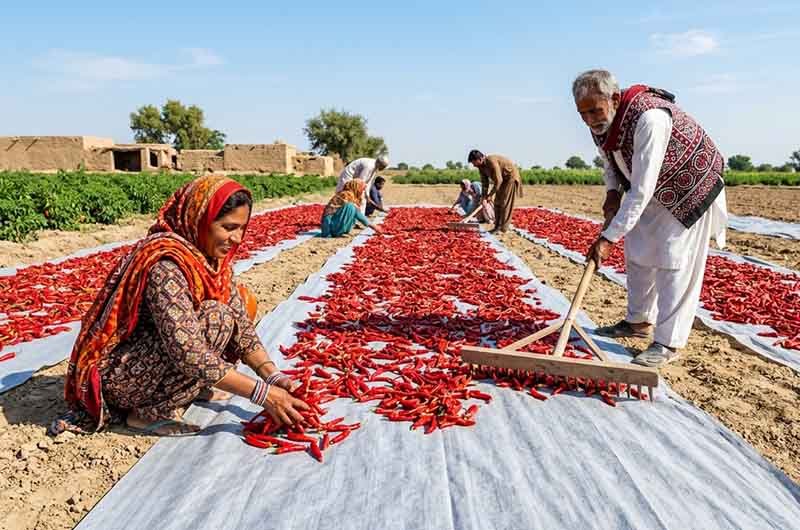
In a major effort to elevate export quality and protect local yields, the Food Security and Agriculture Centre of Excellence (FACE), in partnership with Verdora Ventures, has begun distributing specialized geotextile drying sheets to chilli farmers across Kunri—Pakistan’s premier chilli-growing hub.

The initiative aims to modernise traditional post-harvest handling by replacing raw open-soil drying with clean, purpose-built surface materials. This shift directly targets the root causes of crop degradation, helping growers produce safer, higher-graded produce while unlocking lucrative international trade avenues.

Key Highlights of the Initiative

  • Contamination Control: Traditional soil drying leaves crops vulnerable to dirt, debris, and fungal spores. The non-reactive geotextile barrier prevents contact with the ground, significantly reducing foreign matter and microbial hazards.
  • Aflatoxin Mitigation: Rapid and uniform moisture evaporation managed on the sheets controls the growth of Aspergillus mold, dramatically lowering harmful aflatoxin contamination—a primary hurdle for entering strict European and high-value global markets.
  • Superior Quality & Finish: By encouraging even airflow and uniform drying, the sheets preserve the vibrant red color, natural oil fineness, and physical integrity of the peppers while reducing post-harvest volume losses.
  • Economic Impact: Improved quality grading commands higher prices in domestic wholesale markets and opens direct export channels, directly raising farmer incomes and fortifying resilience across the agricultural supply chain.


LEAVE A REPLY

Please enter your comment!
Please enter your name here