
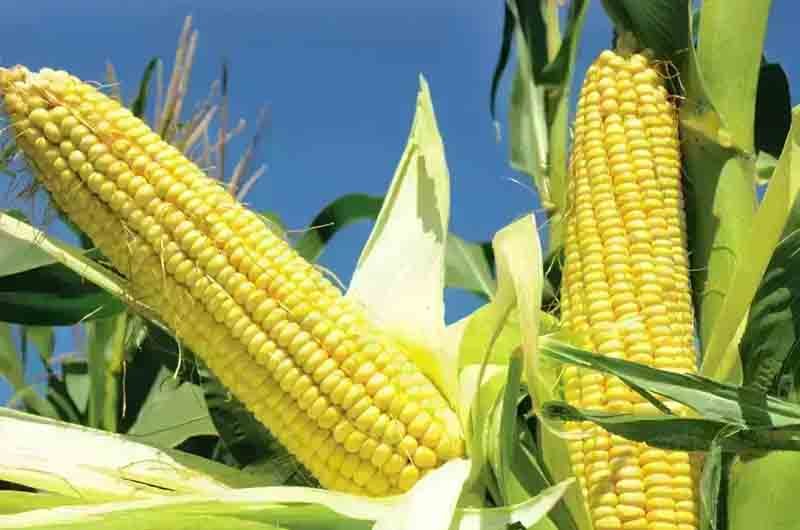
A controversial decision to permit commercial cultivation of genetically modified (GMO) corn in Pakistan has sparked intense outrage across the agricultural sector. During a national emergency meeting organized by Zarai Ittehad Pakistan (ZarPak) at the Lahore Chamber, a unified coalition of farmers, scientists, seed developers, and exporters condemned the move as a major risk to food security, public health, and export revenue.
Key concerns raised by industry leaders and experts include:
- Export Risks to Basmati Rice: Industry representatives warned that because corn is a cross-pollinating crop, adopting GMO varieties risks contaminating non-GMO crops. Exporters cautioned that losing Pakistan’s certified non-GMO status could ruin its multi-billion-dollar global Basmati rice markets, particularly in Europe.
- Unnecessary Adoption: Agricultural leaders pointed out that local hybrid corn yields are already high—exceeding 100 maunds per acre—outperforming regional competitors and matching US productivity without needing GMO technology.
- Flawed Consultation Process: Stakeholders criticized the government’s approval process as non-transparent, alleging that international corporations were prioritized while local seed developers, domestic organizations, and farmers were excluded.
- Biosecurity and Sovereignty: Experts noted that reliance on foreign patented seeds undermines national seed sovereignty and exposes the country to supply chain disruptions and food shortages.
The forum concluded with a unanimously passed resolution demanding an immediate halt to the GMO corn policy and the initiation of an independent assessment on its economic and environmental impacts. Representatives stated that nationwide protests will follow if their concerns remain unaddressed.