Fresh controversy has erupted over Pakistan’s sugar policy after the federal government approved the export of 100,000 tonnes of expensive imported sugar, stoking fears of multi-billion-rupee losses to the national exchequer. Meanwhile, a proposal to permit the export of 250,000 tonnes of locally produced sugar remains stalled.
Former Finance Minister Miftah Ismail heavily criticized the government’s handling of the market, outlining key policy missteps:
- Export-Driven Price Hikes: The government initially permitted the export of 750,000 tonnes of domestic sugar last year, triggering a sharp local price surge of up to Rs50 per kg.
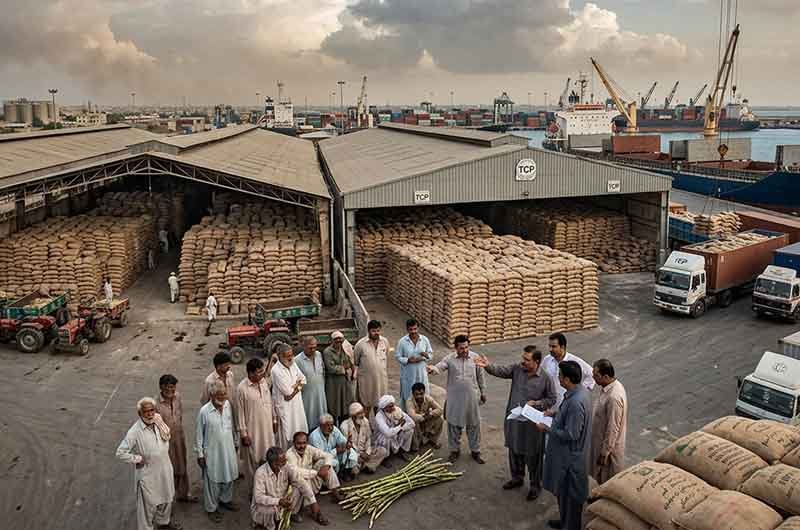
- Costly Foreign Purchases: To cool domestic inflation, the Trading Corporation of Pakistan (TCP) was instructed to import 300,000 tonnes of sugar—excluding the private sector—at prices reportedly $40 per tonne above prevailing international market rates.
- Failed Market Interventions: Despite exemptions from sales tax and excise duty, the imported stock remained costlier than local sugar. Efforts by a joint government team to force major industries, chain stores, and brokers to buy the TCP stock failed to clear the inventory, even after restricting local sugar mills from selling to those buyers.
Critics warn that exporting this high-cost imported stock will force the government to absorb the heavy financial deficit between its expensive purchase price and lower international resale value.
The fallout extends beyond public finances to the agricultural sector. Mill owners have cautioned the Ministry of Industries that delaying exports of surplus domestic sugar leaves them with constrained storage and liquidity. This bottleneck threatens their ability to purchase the upcoming sugarcane crop from local farmers, creating a compounding crisis for consumers, growers, and the national treasury alike.