How one of Pakistan’s oldest food companies survived boycotts, brand confusion, taxation shocks and its worst year on record.
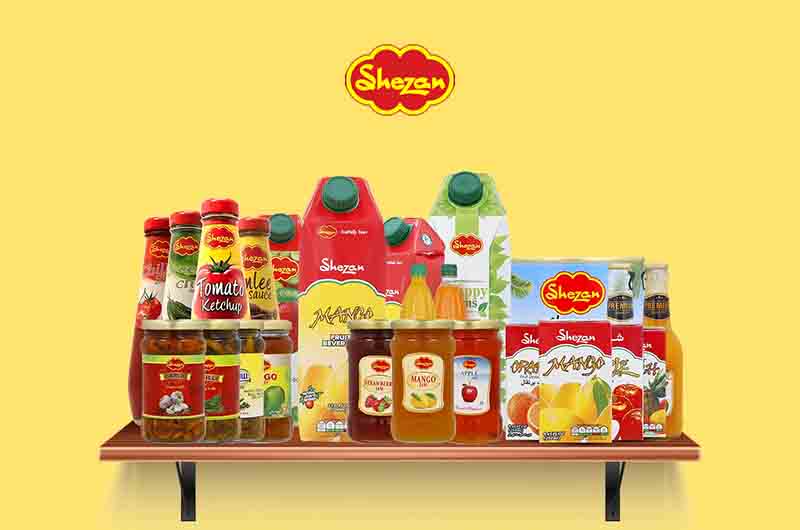
There are few Pakistani brands that carry the kind of memory Shezan does. For generations of consumers, the green-and-yellow juice pack, the thick mango drink, the glass bottles, the squashes and the jams have been part of the country’s everyday retail landscape. It is a brand that has lived in school canteens, wedding hampers, kitchen shelves, summer trips and neighbourhood stores for decades.
That nostalgia is now being tested against hard numbers. After suffering one of the worst years in its recent history, Shezan International appears to be turning a corner. Sales crossed Rs9 billion in 2025 for the first time. Earnings recovered from a loss per share of Rs47.89 in 2024 to earnings per share of Rs16.87 in 2025. The latest nine-month accounts for 2026 suggest the recovery is continuing, with net profit rising sharply over the same period last year.
On the surface, this looks like a familiar corporate turnaround story: a legacy consumer brand hit by inflation, taxes, weak demand and high costs begins to recover as margins stabilise. But Shezan is not a conventional Pakistani consumer company. Its story is also about religious persecution, a forced business split, decades of public confusion over ownership, a 33-year trademark fight and the economic logic of adding value to agricultural produce in a country that still exports too many commodities in raw form.
“This article was first published in Profit magazine under Pakistan Today on June 22, 2026. The article has been authored by Zain Naeem who is an associate sector analyst at Profit working on listed companies and capital markets.”