
University of Agriculture Faisalabad (UAF) Vice Chancellor Prof Dr Zulfiqar Ali has urged farmers to transition toward modern wheat production technologies, certified seeds, and scientific cultivation practices to bridge yield gaps, curb costly imports, and ensure national food security.
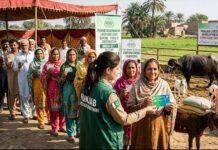
Addressing a Farmer’s Day gathering at Trend Agricultural Farm (Chak No. 125-GB, Jaranwala), Prof Dr Zulfiqar Ali highlighted that combining academic research with farmers’ on-ground experience is key to transforming Pakistan’s wheat sector. The event marked the culmination of a 10-day wheat production awareness campaign (October 30 to November 8) jointly organized by UAF and the Punjab Agriculture Extension Department.
Embracing Modern Machinery Over Traditional Methods
Highlighting the historical leap since the Green Revolution—when national wheat yields averaged just 10 to 12 maunds per acre in the 1960s—the Vice Chancellor noted that progressive growers today are harvesting over 80 maunds per acre through high-yielding varieties and improved seed technology.
To replicate this success nationwide, he advised farmers to abandon traditional broadcast sowing in favor of drill sowing and super seeders, noting that row sowing guarantees uniform seed placement, lowers seed consumption, and simplifies crop management.
Crucial Sowing Window and Government Incentives
Director General Agriculture Extension Dr Shahbaz Akhtar underscored that timing and input quality remain the bedrock of a strong harvest:
- Optimal Sowing Window: Growers must complete wheat sowing between November 1 and November 20 for peak crop establishment.
- Provincial Support: Dr Shahbaz pointed to key Punjab government incentives—including the Kisan Card, subsidized super seeders, modern farm machinery, and a wheat support price of Rs4,500 per maund—urging growers to leverage these programs for higher economic returns.
Bridging the Lab-to-Farm Divide
According to Dean Faculty of Agriculture Prof Dr Ghulam Murtaza, the 10-day outreach drive mobilized more than 3,200 UAF students alongside agricultural experts across six Punjab divisions: Faisalabad, Lahore, Sahiwal, Sargodha, Gujranwala, and Gujrat. Students interacted directly with rural communities to troubleshoot field-level challenges and deliver research-backed farming solutions.
Key Agronomic Recommendations
Experts and local stakeholders shared practical guidelines for maximizing output during the session:
- Seed & Soil Health: Prof Dr Muhammad Naveed advised farmers using home-saved seeds to thoroughly clean and treat them with recommended fungicides/chemicals prior to sowing, while maintaining balanced fertilizer use to prevent nutrient deficiencies.
- Resource Efficiency: Agriculture Extension Directors Khalid Mahmood and Rashid Ali reiterated the importance of efficient water management alongside timely sowing and modern mechanization.
- Administrative Backing: Assistant Commissioner Jaranwala Ziaullah Gondal assured farmers that the local administration is ensuring transparent, timely delivery of state subsidies, while progressive farmer Zia Alamdar Hussain praised the initiative for bringing technical expertise straight to growers’ doorsteps.