
Ghani Dairies Limited has released its financial results for the first quarter ended September 30, 2026, demonstrating strong overall profitability and significant growth in its dairy operations despite macroeconomic and supply chain headwinds.
Key Financial Highlights:
- Revenue Growth: Revenue from milk sales climbed 29.5% to PKR 625.4 million, compared to PKR 483.0 million during the same period last year.
- Net Profit Increase: Net profit experienced a remarkable 61% surge, reaching PKR 201.7 million up from PKR 125.0 million in Q1 FY2026.
- Earnings Per Share (EPS): Basic and diluted EPS improved to PKR 0.47, compared to PKR 0.38 in the corresponding quarter of the previous year.
- Shareholders’ Equity & Assets: Total equity strengthened to PKR 5,654 million, while total assets stood at a robust PKR 6,367 million.
- Liquidity: The company closed the quarter holding healthy cash and short-term investments totaling PKR 1,440 million.
Operational & Herd Expansion Review:
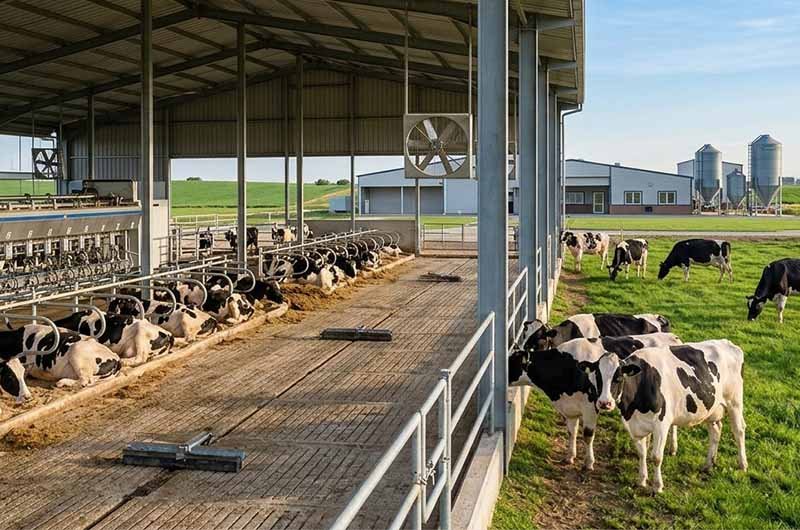
- Milking Herd Expansion: The company’s mature milking herd expanded significantly by 47% to reach 2,239 cows as of September 30, 2026 (up from 1,521 on June 30, 2026), driven by a large batch of imported heifers calving during the quarter.
- Milk Production: Total gross milk production for the quarter reached approximately 4.44 million litres.
- Capital Investment: Ghani Dairies invested PKR 202.4 million during the quarter toward the ongoing construction of new sheds and milking plants to accommodate its growing infrastructure.
Cost Pressures & Mitigation:
Management noted that cost of revenue was impacted by external pressures—including supply chain disruptions for imported feed ingredients and spares caused by the blockade of the Strait of Hormuz (pushing freight charges up over fourfold to PKR 7.5 million), and excessive power load-shedding that elevated utility costs by 46% to PKR 40.8 million. However, these pressures were successfully counterbalanced by higher other income from bank placements, a 64% reduction in finance costs, and a net deferred tax credit.
Looking ahead, management remains focused on optimizing feed efficiency, enhancing herd health, and leveraging alternative energy investments to stabilize margins as the newly expanded herd reaches peak production levels through FY2027.