

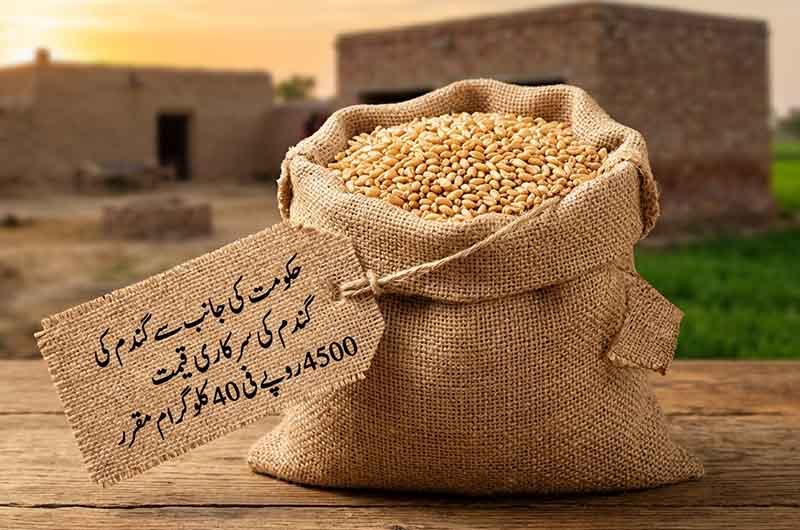
In a major move aimed at empowering the nation’s agricultural sector, Federal Minister for National Food Security and Research Rana Tanveer Hussain announced the fixation of the official wheat support price at Rs 4,500 per 40 kilograms. Describing the measure as a balanced approach, the minister expressed strong optimism that this price assurance will motivate farmers to increase wheat cultivation and invest heavily in agricultural inputs for the upcoming season.
Speaking to a private news channel, Minister Rana Tanveer emphasized that as an agriculture-dependent economy, Pakistan must prioritize robust support for its farming community. The decision comes as a relief to growers who have weathered steep increases in production expenses over the last two years, driven by rising electricity tariffs, fertilizer prices, and seed costs.
Key Highlights of the Announcement:
- Fair Pricing for Growth: The Rs 4,500 per 40kg support price aims to guarantee reasonable profit margins for farmers, protect them from market volatility, and steer the country toward a crop surplus next season.
- Consensus Among Stakeholders: According to the minister, all key industry stakeholders have endorsed the price fixation, recognizing the financial pressures faced by farmers.
- Strict Price and Supply Monitoring: Provincial administrations have been instructed to enforce strict administrative oversight to ensure price stability, prevent hoarding, and secure seamless wheat availability in local markets.
Reforming Agricultural Data & Future Planning
Beyond immediate price relief, Minister Rana Tanveer highlighted the critical need for structural reforms in Pakistan’s agricultural governance:
“Discrepancies among different data sources have historically complicated key policy decisions regarding imports, exports, and domestic supply,” the minister noted.
To address these vulnerabilities, Prime Minister Shehbaz Sharif is prioritizing the establishment of a technology-driven, credible agricultural data collection system. The initiative will focus on:
- Precision Data: Modernizing crop yield tracking to eliminate statistical discrepancies and ensure accurate policy forecasting.
- Crop Zoning & Targets: Establishing precise regional crop zoning and production targets to maintain long-term food security.
- Proactive Planning: Enhancing advance planning to prevent domestic shortages while protecting both farmers’ livelihoods and consumers’ purchasing power.
By combining fair output prices with accurate, data-backed planning, the government hopes to build a resilient agricultural ecosystem that safeguards national food security and drives overall economic stability.